
 Canada
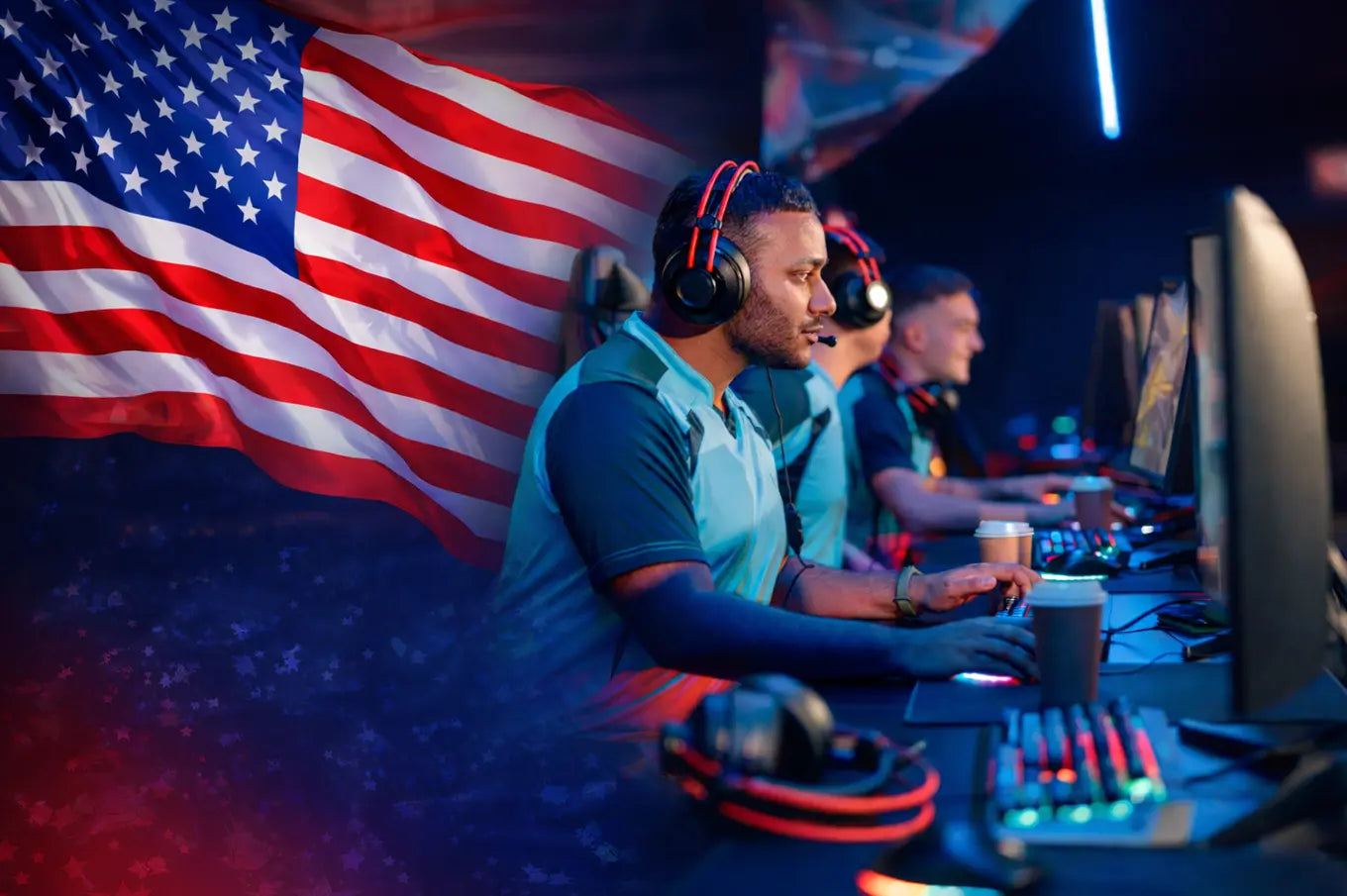
The rapid rise of esports in the United States over the past ten years has turned gaming from a pastime into a billion-dollar business. What began as minor LAN competitions at neighborhood arcades has evolved into sold-out arenas, university scholarships, and million-dollar professional contracts.
Competitive gaming now shapes technology trends, digital entertainment, and youth culture. High school students aspire to play for pro teams, and esports scholarships are available from universities. Alongside conventional athletic leagues, global companies actively sponsor events.
This blog explains the rise of esports in the USA, the key growth drivers, the main leagues influencing the scene, and what the next decade could bring as esports and competitive gaming continue to evolve in the United States.
The Rise of Esports in the USA
Early 2000s tournaments started the American esports path. Local networks saw gamers assemble to play games like Counter-Strike and StarCraft. Online competition became commonplace as broadband internet evolved.
Streaming services sped up this expansion. Also, Twitch and other platforms let players stream matches to worldwide audiences. Millions of home viewers could now be drawn to what once required personal presence.
Important Phases in US Competitive Gaming
-
The initiation of large franchised leagues helped structure and professionalize the esports scene.
-
Prize pools reaching millions of dollars attracted top players and increased competition.
-
Esports hubs emerged in cities like Dallas and Los Angeles, providing venues for major events and tournaments.
-
Collegiate esports initiatives at American universities and colleges created pathways for student gamers to compete and earn scholarships.
Popular Games Driving the Scene
Among the US esports scene, several titles rule:
-
Fortnite
-
League of Legends
-
Call of Duty
-
Valorant
-
Apex Legends
These games include active communities, excellent developer support, and competitive balance. Year after year, esports grow at an amazing rate thanks to their ecosystems.
Key Factors Driving Growth
1. Streaming Platforms
Fans now watch esports content thanks to platforms like Twitch, YouTube Gaming, and Kick. Viewers may engage in real-time interactions, follow their favorite players, and even see live tournaments.
Hybrid jobs have also emerged as a consequence of streaming. Subscriptions, sponsorships, and advertising income beyond tournament winnings provide for many professional players.
2. Brand Investment and Sponsorships
Big businesses from the vehicle, clothing, and technological industries are now making significant investments in esports. Teams, tournaments, and content creation depend on sponsorships.
This commercial support confirms competitive gaming as popular entertainment.
3. Government and Educational Support
Official esports events are now held at universities and high schools all throughout the United States. According to the National Association of Collegiate Esports (NACE), hundreds of colleges provide scholarships.
Collegiate leagues offer organized development channels and help to validate competitive gaming.
4. Technology Advancement
Technology continues to be a key driving force. Important improvements include:
-
High-speed fiber internet
-
5G connections
-
High-refresh-rate monitors
-
Powerful CPUs and GPUs
All of these advancements enhance performance and ensure fair competitive play.
Major Esports Leagues and Events in the USA
Since the foundation of American esports, leagues have grown and evolved. With city-based teams and seasonal structures, esports leagues and events in the USA now operate similarly to conventional sports franchises.
Leading Professional Leagues
-
Call of Duty League (CDL)
-
Overwatch League
-
League of Legends Championship Series (LCS)
-
Valorant Champions Tour: North America Circuit
These leagues feature salary-backed players, franchised teams, and high professional performance expectations.
Annual Tournaments and Prize Pools
Notable events include:
-
LCS Championship Final
-
Major Call of Duty Championships
-
Valorant Champions regional qualifiers
These tournaments attract live audiences to stadiums and offer multi-million-dollar prizes.
US esports tournaments and leagues have also adopted hybrid models. Online qualifiers increase accessibility and reduce logistical costs, even though major LAN events remain highly sought after.
The Impact on Gaming Culture
Esports has transformed how Americans view gaming.
Career Possibilities
Competitive gaming now supports a variety of career paths, including:
-
Professional players
-
Coaches and analysts
-
Commentators and casters
-
Influencers and streamers
-
Event organizers
-
Data analysts
Beyond the players themselves, this growing ecosystem creates numerous additional job opportunities.
Influence on Casual Gaming
Many new players watch professional games and use competitive approaches. Game sales and in-game buys are driven by this "watch-to-play" cycle.
Social Impact
Communities centered on competitive gaming advance diversity and inclusiveness. Minority-centered programs and women's leagues are increasing visibility throughout the industry.
Technological Trends Shaping Esports and Competitive Gaming
Technology will shape the next generation of American esports.
High-Performance Gaming PCs and Peripherals
Professional gaming requires:
-
Low input delay
-
Frame rates of 240 Hz or higher
-
Advanced cooling systems
-
Top-tier processors and graphics cards
Optimized hardware directly enhances both reaction time and precision, giving players a competitive edge.
VR and AR Role
Although still experimental, virtual reality competitions show significant potential. Augmented reality overlays enhance the real-time viewing experience, making matches more immersive for both players and audiences.
Data Analysis And Artificial Intelligence (AI)
To examine opponent patterns and maximize tactics, teams are increasingly using AI-powered analytical tools. Data-driven coaching reflects developments in classic sport science.
Cloud Gaming and 5G
Cloud gaming systems lower hardware impediments, while 5G networks enable low-latency mobile events, which are creating new esports markets in the United States.
Challenges Facing Esports in the USA
Though expanding quickly, the sector has structural challenges.
Mental Health and Burnout
Professional gamers usually practice 8 to 12 hours a day. High-performance pressure causes burnout and stress-related problems.
Fair Play and Cheating
Cheating programmes and vulnerabilities endanger competitive honesty. Developers constantly put money into anti-cheat systems.
Financial Stability
Based on industry trends, sponsorship and prize pools change. Some leagues find it difficult to make money even with high viewing.
Audience Equilibrium
Publishers and organizers still struggle to balance the needs of casual fans with those of hardcore competitive audiences.
The Future of Esports and Competitive Gaming
The next 5 to 10 years will probably reshape the American gaming environment.
New Patterns
-
Mobile esports competitions.
-
Multiplatform challenges.
-
Development of college leagues.
-
Integration with mainstream sports broadcasting.
Esports and Competitive Gaming may acquire television-level production value and country sponsorship parity with conventional sports as streaming services combine with entertainment networks.
The rapid development of esports indicates ongoing growth, particularly among Gen Alpha and Gen Z.
Wrap Up
Esports and competitive gaming in the United States have grown from small LAN tournaments to a thriving, technology-driven industry, shaping culture, careers, and the future of digital entertainment.
With advances in streaming, hardware, AI, and mobile technology, the next decade promises even more opportunities for players, fans, and innovators alike.
For more expert guides and buying high-performance, tournament-ready gaming PCs, visit TechnoidGamingPC today to gain a competitive edge and dominate the game.
People Also Ask
What is esports, and how is it different from regular gaming?
Esports is organized, competitive video gaming with professional leagues, teams, and prize pools. Unlike casual gaming, it involves structured competitions, training, and often career opportunities.
Which games are the most popular in competitive gaming in the USA?
Top titles in the U.S. esports scene include Fortnite, League of Legends, Call of Duty, Valorant, and Apex Legends, each with active communities and developer support.
Can someone make a full-time career in esports?
Yes. Players can become professionals, while others pursue careers as coaches, analysts, commentators, streamers, event organizers, or data analysts within the esports ecosystem.
How do tournaments and leagues work in USA esports?
Leagues typically feature city-based or franchised teams competing in seasonal schedules. Tournaments may include online qualifiers and live events with prize pools and championships, similar to traditional sports leagues.